
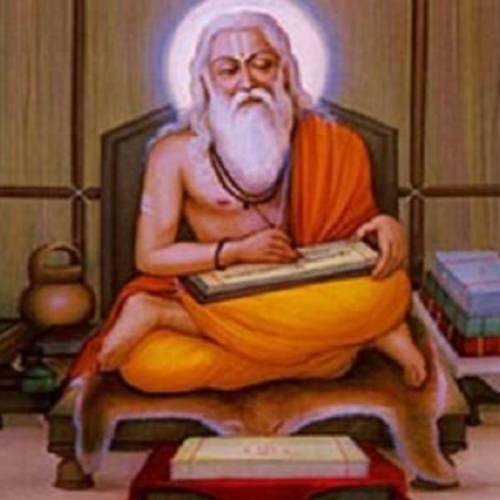
Atri Maharishi – One of the Saptarishis and Vedic Seers
Atri Maharishi is a revered sage in Hindu tradition, known for his wisdom, penance, and spiritual insight. He is one of the Saptarishis (Seven Great Sages) and features prominently in the Rigveda, Ramayana, Mahabharata, and Puranas.
1. Birth and Origins
- Divine Birth: Atri was born from the mind of Brahma, making him a Manasaputra (mind-born son).
- Role: Appointed as one of the Saptarishis to guide humanity with righteousness (dharma) and spiritual wisdom.
2. Family
- Wife: Anusuya – a paragon of chastity and virtue, widely revered in Hindu mythology.
- Children:
- Dattatreya: A divine incarnation representing Brahma, Vishnu, and Shiva.
- Durvasa: An incarnation of Shiva, known for his intense temper and spiritual prowess.
- Chandra (Soma): In some traditions, Atri is considered the father of the Moon God.
3. Spiritual Contributions
- Authored several hymns in the Rigveda, especially in the Fifth Mandala (Atri Mandala).
- Praised deities like Agni, Indra, and Ashvins through his verses.
- Renowned for deep meditation and penance (tapasya) that granted him immense spiritual powers.
4. Important Legends
- The Trinity and Anusuya: The Trimurti tested Anusuya’s chastity. Through her spiritual strength, she turned them into infants and served them, leading to the birth of Dattatreya.
- Visit by Rama: During Ramayana, Rama, Sita, and Lakshmana visited Atri’s ashram. Atri and Anusuya blessed them and shared knowledge on dharma and virtue.
5. Legacy
- Atri Maharishi’s lineage, called Atreya Gotra, continues to be honored in Hindu tradition.
- Produced sages like Atreya Punarvasu, a significant figure in Ayurveda.
- Referenced in Vedic rituals and prayers for wisdom and spiritual progress.
6. Symbolism
- Atri means “beyond the three” – representing transcendence beyond the three gunas (sattva, rajas, tamas).
- Symbolizes spiritual wisdom, detachment, and cosmic harmony.
Summary
Atri Maharishi stands as a timeless figure of spiritual discipline and knowledge, revered as a sage who brought harmony and guidance through his penance, teachings, and virtuous family.