
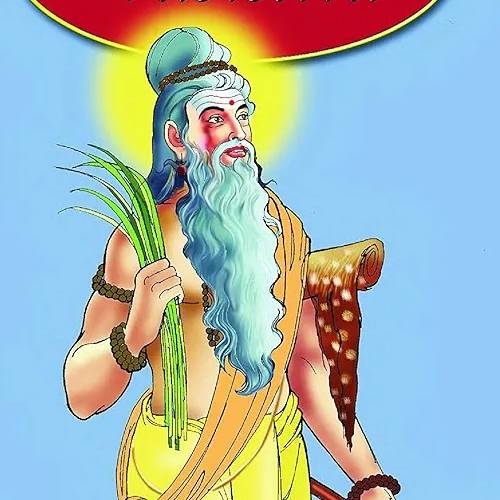
Life History of Sage Vasishta
Who Was Vasishta?
Vasishta is one of the Saptarishis (Seven Great Sages) in Hinduism and one of the most ancient and respected rishis in the Rig Veda. He is known for his immense spiritual wisdom, authorship of key Vedic hymns, and his role in guiding kings and gods.
Birth and Divine Origins
- Parentage: According to Hindu texts:
- Born from the mind of Brahma (manasaputra – “mind-born son”).
- In some versions, he was born to Urvashi and kept in a kamadhenu cow (mythical divine cow).
- He is considered a Brahmarshi – the highest class of sages.
Ashram and Life as a Guru
- Location: Lived on the banks of the River Saraswati and later near the Ganges.
- Had an ashram where he taught students, kings, and celestial beings.
- Kamadhenu, the wish-fulfilling cow, lived in his ashram and supported his work through divine gifts.
Role as Royal Priest and Advisor
- He was the Kula Guru (royal priest and guide) to the Ikshvaku dynasty, the lineage of Lord Rama.
- Served kings like King Dasharatha (Rama’s father).
- Played a significant role in the Ramayana, offering spiritual guidance to young princes and the royal family.
Contributions to Scriptures
- Rig Veda:
- Authored several hymns in the Rig Veda, especially in Mandala 7.
- Yoga Vasishta:
- A major philosophical work, framed as a dialogue between Vasishta and Lord Rama, teaching the path to liberation.
- It blends Advaita Vedanta, yoga, and detachment in practical spiritual instruction.
- Vasishta Samhita:
- A lesser-known but influential work on yoga and ethics.
Clashes with Vishvamitra
- Vasishta famously clashed with Vishvamitra, a powerful king who wanted Kamadhenu.
- When Vasishta resisted, Vishvamitra tried to seize the cow by force but was humiliated by her divine powers.
- This inspired Vishvamitra to give up his throne and pursue intense penance to become a Brahmarshi like Vasishta.
- Their rivalry and eventual mutual respect are key spiritual lessons in humility and transformation.
Philosophy and Teachings
Vasishta advocated for:
- Detachment (Vairagya)
- Self-inquiry (Atma vichara)
- Non-duality (Advaita)
He taught that liberation comes through wisdom, not rituals or asceticism alone.
Legacy
- Vasishta remains a symbol of spiritual wisdom and peaceful strength.
- His teachings in Yoga Vasishta are studied by seekers of Vedantic philosophy.
- He is one of the Saptarishis listed in Vedic astrology and mythology, said to live eternally.