
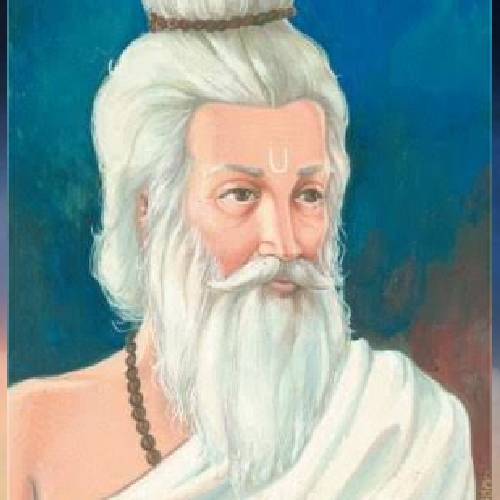
Life History of Yajnavalkya Rishi
Yajnavalkya Rishi was a profound sage, philosopher, and spiritual teacher in ancient Indian history. He is most famous for his teachings in the Brihadaranyaka Upanishad and his contributions to Vedantic philosophy.
1. Birth and Background
- Yajnavalkya lived during the later Vedic period (around 8th–6th century BCE).
- His name comes from his association with the Yajurveda.
- He studied under Sage Vaisampayana but later developed his own interpretations of Vedic knowledge.
2. Philosophical Teachings
- Brihadaranyaka Upanishad: Yajnavalkya is the main speaker, explaining the highest spiritual truths.
- He taught the unity of Atman (self) and Brahman (universal consciousness).
- He introduced the famous concept of “Neti Neti” (not this, not this) to describe the indescribable nature of Brahman.
- Discussed the goal of life as attaining Moksha (liberation).
3. Yajnavalkya Smriti
- He is traditionally credited with the authorship of the Yajnavalkya Smriti, a key text in Hindu Dharma Shastra.
- This text covers law, social duties, ethics, and spiritual practices.
4. Dialogues and Debates
- Maitreyi: Yajnavalkya’s discourse with his wife Maitreyi highlighted the superiority of spiritual wisdom over material wealth.
- Janaka: His philosophical discussions with King Janaka of Videha are regarded as exemplary dialogues on the nature of the soul and ultimate reality.
5. Legacy
- Yajnavalkya is remembered as a foundational figure in Advaita Vedanta (non-dualism).
- He emphasized self-knowledge, renunciation, and realization of Brahman.
- His works continue to influence Hindu philosophy, spirituality, and law.
Summary
Yajnavalkya was not only a master of Vedic knowledge but also a revolutionary thinker who shaped spiritual wisdom for generations. His discourses guide seekers toward self-realization and inner liberation.